
I Love Gaming But Despise the Industry
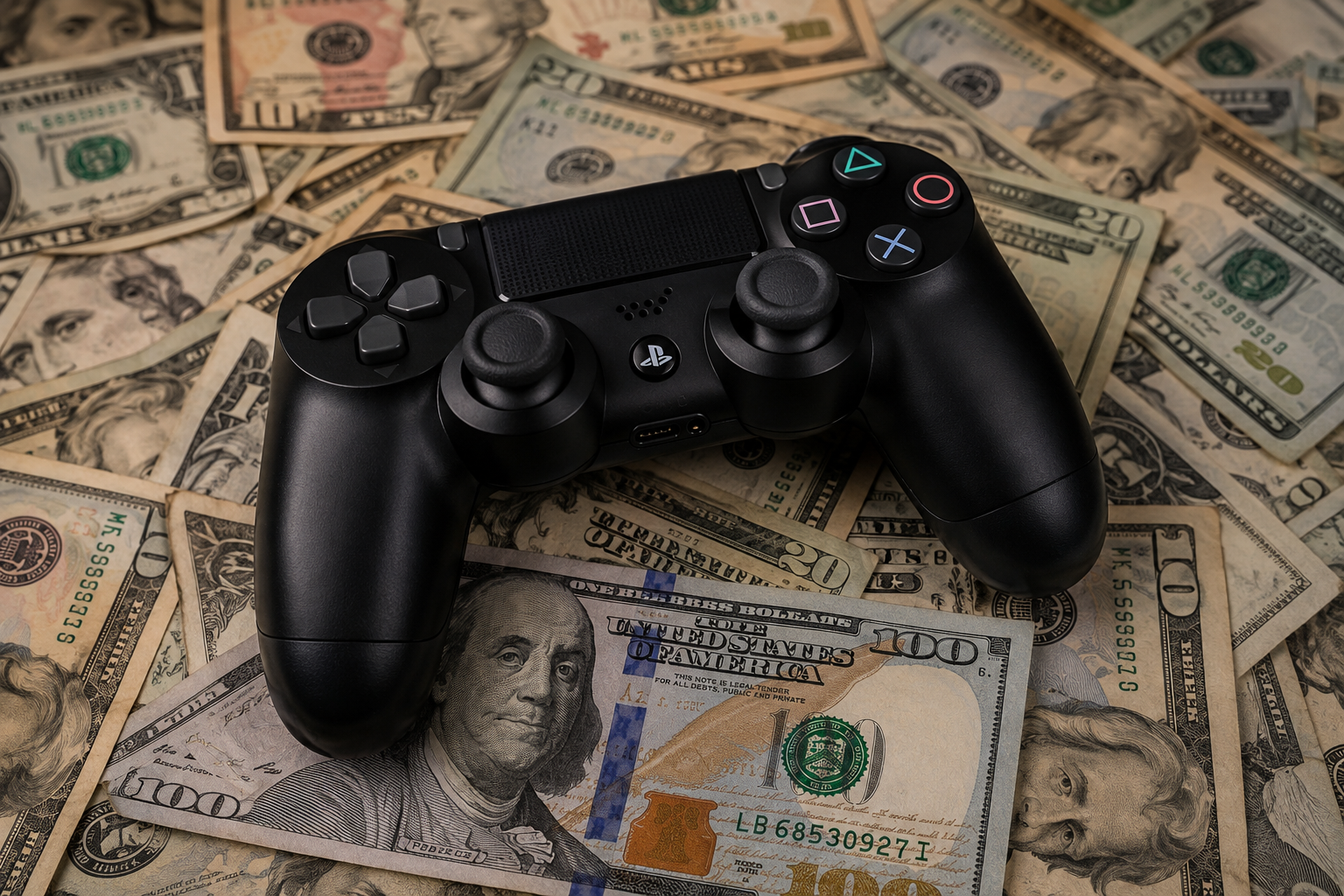
A picture is worth a thousand words, and this AI-generated image above is an appropriate representation of what is wrong with the gaming industry today. I have been a gamer my whole life. There is no doubt that I will play video games as long as I have the ability to do so. But this year has been different for me as it pertains to the gaming industry. While being as lucrative as possible should be what any business strives for, there is such a lack of ethics involved in many of today’s gaming companies that it has led me to question just how much I should continue supporting the industry going forward.
Video games and consoles cost more than ever before. This would naturally happen due to inflation. Yet the inflation narrative still doesn’t provide a reasonable explanation as to why gaming needs to be so expensive. A lot of it has to do with choice. We live in a time when gaming can be as inexpensive or expensive as one chooses. There are lots of free-to-play games on the market where you don’t have to spend a single cent to play. Then there are subscription options similar to Netflix, where you have access to a large library of games (that you do not own) for a lower price than owning all of those games outright. On the other side of the coin, many games are overflowing with paid downloadable content (DLC) and microtransactions that will have you spending as much as $35,000 to have a complete version of a game (Fortnite). Spending hundreds or thousands of dollars on a single game has become normal.
I grew up during a time when video games were on cartridges. When new games were released, they were complete games. There were no DLC, patches, updates, or microtransactions. Annual releases of a brand didn’t start taking root until the sports games of the 1990s. Games had one price point. There were no season passes. Games back then were offline and not tied to accounts, so there was a real sense of ownership. The games were not connected to a server that could be switched off at any time. Digital copies of video games did not yet exist. Creativity and passion were much more prevalent in game development as many brands and companies were just starting out. It was a beautiful time.
What I have seen over the past four decades has been advancements detrimental to consumers and workers in the industry. Consumers were used to pay-to-own when purchasing games in the past. Now, with so many games having to be connected to the internet and an online account to play, many consumers are paying for access with the illusion of ownership. It has been that way for a while now. Since entering that age, updates and patches became normal, games started being released more incomplete, and the games contained more bugs than ever before. This comes from the place of releasing a game no matter what state it is in to make money and then using the process of patching to fix the game later. The customers are not the only ones who suffer from this. Developers also suffer, as many of them really do want to make the best games possible. Yet they answer to corporate leaders whose passion isn’t for gaming but only for using the popular interest as a means to make money. That’s why the deadlines are unreasonable. It is also the reason there is so much monetization in gaming today. This is to the point that many of these games are teaching children how to gamble with the way microtransactions are set up.
DLC has become one of the biggest ways to exploit consumers. Video games, for the most part, are no longer complete at release. This was a great way for the gaming companies to extend the lifespan of a game without having to keep fresh ideas coming at the same rate as in the past. From a business perspective, I understand it. If you strike gold with something and the sales are high, ride it out as long as you can. That is why Madden and Call of Duty will have annual releases without fail. It is not risky if something has a proven track record of success. Some of the best games don’t do well financially. Marvel’s Guardians of the Galaxy is the first to come to mind in recent years. But this gaming culture of incomplete game releases has now led to the next fad: Early Access.
With early access, there are two sides. One is that it allows developers to give customers a playable preview of an upcoming game and help raise more money for its further development and completion. For indie companies, it is a great idea. The other side is that gaming companies utilize “Early Access” to get consumers to pay more money to play the game a few days early. In essence, you’re paying more money to play a game that will need a “Day 1 Patch,” as the company is banking on the inability of customers to wait for the regular release date. Think about it. More money to play a version of something that will be obsolete within a week.
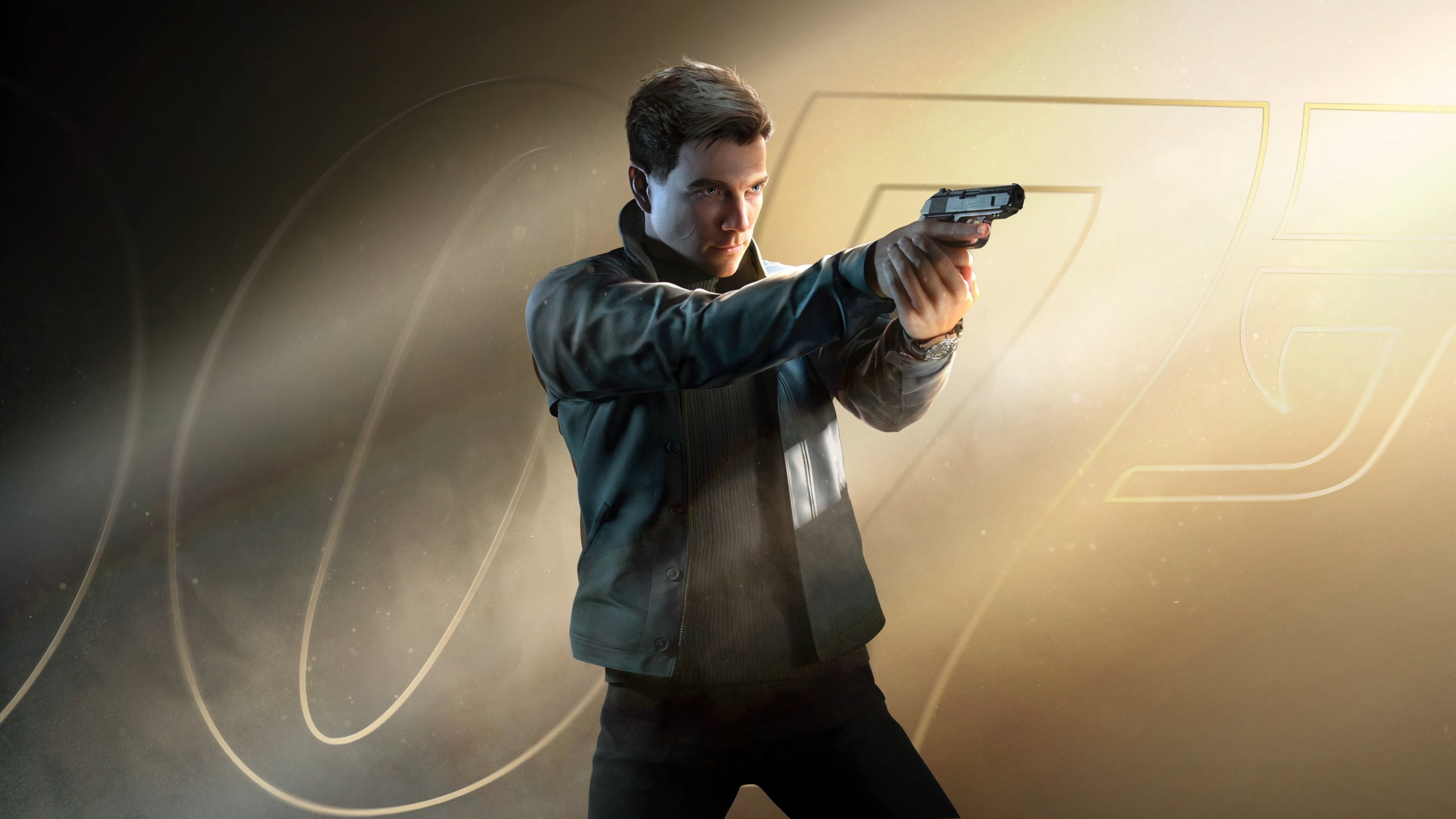
Because of the update/patch culture of gaming, we will never get back to the days of complete game releases. But its existence also comes with a myriad of problems. Earlier this year, I purchased 007 First Light. The game played great for me at release. I progressed more than halfway through the game. It was very enjoyable. Then a patch was released that made the game unplayable for two weeks. I could not load my saved game to continue. Even when restarting a new game, I couldn’t save my progress. For two weeks, a game I had spent full price on was not accessible. Thank goodness another patch was released, and I did finish the campaign. But this type of stuff, where patches actually break the game, is too commonplace. It shows the terrible state that the gaming industry is in. Battlefield 6 was in a phenomenal state when it was first released. It had a proper player versus bots option with progression. I was so excited that I recommended my brothers purchase the game. Then a few weeks later, that option was changed for the first of several times. To this day, there still isn’t a proper single-player mode like Battlefield 2042 had. Of course, because the game always has to be connected online, there is nothing I can do about it. The developers can change things as they please over the life of the game. Although I purchased the game based on what was promoted and advertised prior to its release, Electronic Arts can completely take away those very things at any time. SEGA did the same thing with their SEGA Mega Drive & Genesis Classics on Steam. When releasing Sonic Origins, they removed all the Sonic games that were in the Steam collection so that customers would then have to buy those games again in Sonic Origins. It seems like every advancement or new trend in the industry and how it functions is meant to exploit the customer. There are key people in the industry who don’t even want consumers to own their games at all.
Maybe what I’ve written resonates with you. But at the age of 47, I have become more okay with significantly distancing myself from supporting the industry with new purchases. I’ve put a lot of money into gaming over the course of my life. The purchases are not regrettable ones for the most part. I have gotten more than my money’s worth. But the industry is a problem. Consumers are being taken advantage of. Developers and workers who are responsible for building successful games that make these companies lots of money are being fired in favor of AI. Being successful in the industry doesn’t even help people keep their jobs, even as the companies are boasting record profits and increasing their prices. The heart and soul of the industry isn’t the same.
I’ve heard projections of the PS6 possibly being $1000 or more. There’s also the news that by 2028, Sony will no longer publish physical copies of games. There has been a great deception brewing with physical copies for years now. When I bought Call of Duty: Black Ops 6 on sale at a local GameStop a year ago, I was shocked to find there was no game on the disc. What was installed from the disc was the Call of Duty App. From there, I had to download Black Ops 6 digitally from the app. The disc was worthless. If Activision is doing this, then many other companies are doing so as well. The industry is driving consumers into digital purchases in order to pave the way for access gaming, where the customer will not own games anymore. This has been the case ever since consoles went online and games are connected to online user accounts. There has been a buildup for years for companies to control your access as a gamer while we continue to pay rising prices. They are fine with consumers paying more money for games and products they can always cut off access to. Think of the users who have recently had their digital movie collections removed by Sony and Google. That’s the kind of ethical decline we are dealing with.
So at the end of it all, what is the solution? Those of us who are tired of what we are seeing must make decisions with our wallets. We have to stop supporting companies that aren’t making good on their end of these transactions. Obviously, we can’t try to purchase a game with a $69.99 price tag for $20 on release day. We’ll be laughed away at the counter. But these companies are willing to put out products that aren’t even worth $20 to begin with and still demand that we pay full price. That is a choice we have to make. I’m buying more games on sale than I ever have and marking the companies that are the worst offenders in what I’ve discussed in this post. Whoever doesn’t deserve your money shouldn’t get it.
Invest your money in companies that do things the right way. How Larian Studios went about Baldur’s Gate 3 is one of the best examples I’ve seen in years. It provided a great deal of value when it was in early access. The game was released in a complete state. Anything added on was provided for free to people who had already purchased the game. It is completely playable offline. Larian Studios believes in user ownership of its games. And as a much smaller company, it achieved great success with Baldur’s Gate 3, along with multiple Game of the Year honors. With a much smaller budget than the heavy-hitter development studios, Larian still put out a superior title. Supergiant Games is also a glowing example. They also took the same approach with Hades and Hades II. The two titles have also received multiple awards. These are the companies that we should invest more in. As gamers, we should accept nothing less.
-Lando Rigs
(P.S. – It has been a while since I have posted. As I am still going through health issues, I do not have a set schedule like I did before when I posted regularly. I do plan to start posting more often. Thanks for reading and for all of you visiting the site.)
FREE GAMES ON EPIC!

CLAIM THE WITCHER ENHANCED EDITION FOR FREE!

MOD SPOTLIGHT – NCAA 06 NEXT


